By Mr Martin Goddard, Consultant Orthopaedic Knee Surgeon and ACL Specialist
Anterior cruciate ligament (ACL) injuries are common knee injuries, particularly in active people taking part in sports involving twisting, pivoting and sudden changes of direction.
Here, Mr Martin Goddard, Consultant Orthopaedic Knee Surgeon and ACL specialist, explains how ACL injuries happen, the signs to look out for and what treatment and recovery can involve.
What is the ACL and how is it injured?
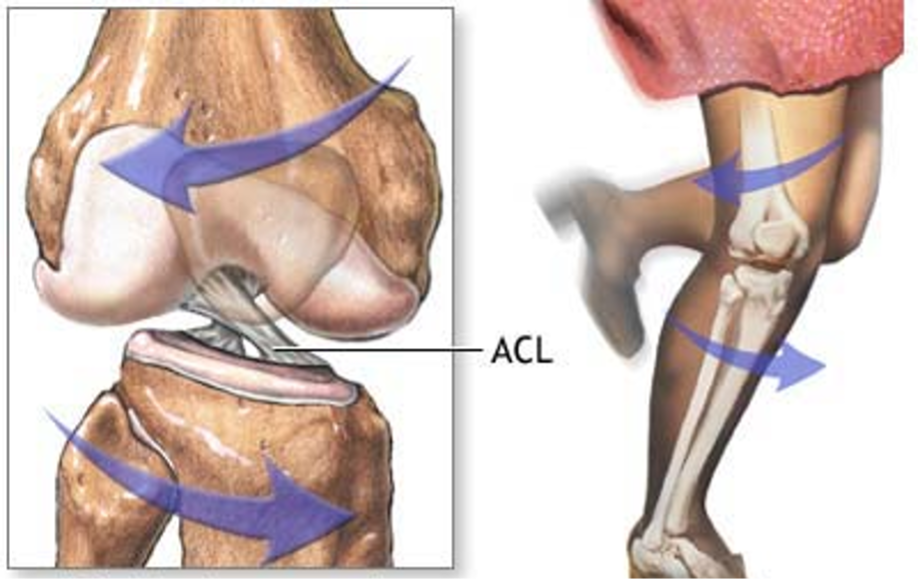
The ACL is one of the main ligaments within the knee and plays an important role in keeping the knee stable.
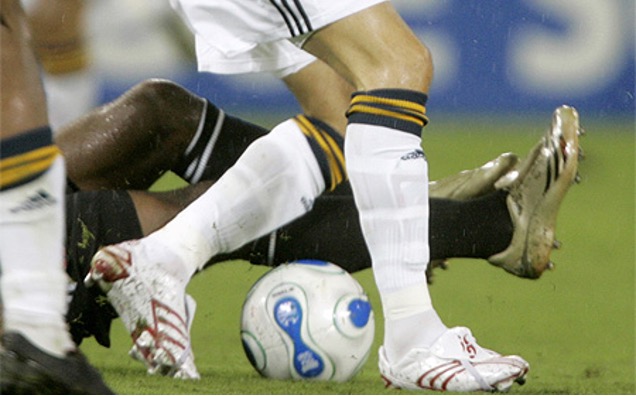
People usually tear their ACL during a sudden twisting or deceleration movement. This might happen when going in for a football tackle, landing on one leg after a jump, or during a skiing fall when the ski catches an edge.
The ligament is usually completely torn, although partial tears can occur.
What are the signs of an ACL injury?
An acute ACL injury will often have some fairly characteristic signs.
At the time of injury, you may:
- hear or feel an audible “pop”
- develop rapid and significant swelling in the knee
- experience pain and difficulty putting weight through the leg
- be unable to continue playing or exercising.
Sometimes an ACL injury becomes more apparent later. Once the initial pain and swelling have settled, you may find that the knee feels unstable or gives way or buckles, particularly when changing direction or trying to return to sport.
How is an ACL injury diagnosed?
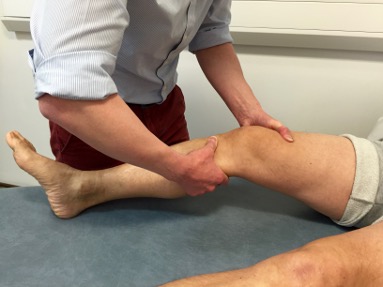
The key to diagnosing an ACL rupture is a thorough history and clinical examination.
Patients will sometimes attend A&E on the day of their injury with a painful, swollen knee following a sporting injury and be discharged without a specific diagnosis. Proper follow-up and assessment are important when there are signs that an ACL rupture may have occurred.
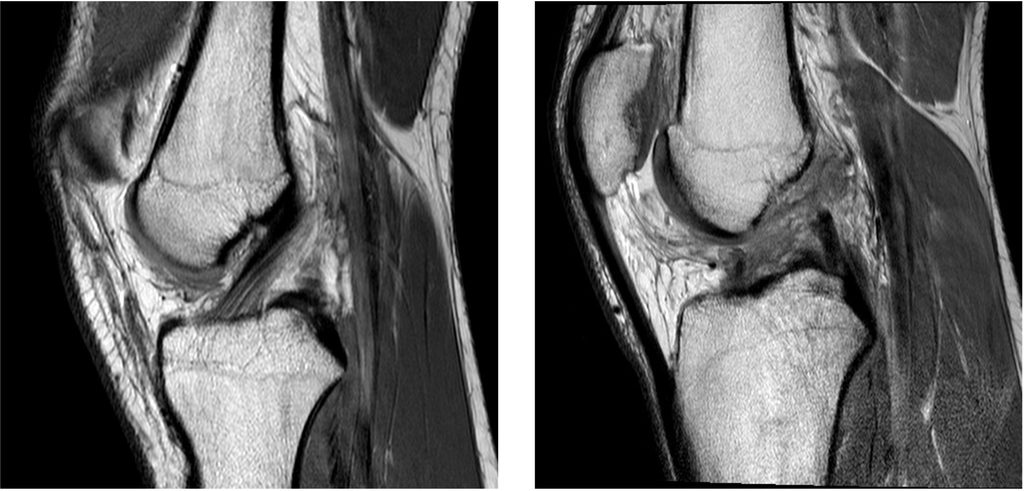
An MRI scan can confirm the diagnosis and also identify associated injuries within the knee, such as meniscal tears, which commonly occur alongside an ACL injury.
What happens immediately after an ACL injury?
In the early stages, symptoms can be managed with appropriate pain relief, rest, ice, compression and elevation.
Knee braces are not usually required and patients can generally put weight through the leg as tolerated.
Once the initial pain and swelling begin to settle, further assessment can help determine the extent of the injury and the most appropriate next steps.
Will I need ACL surgery?
The treatment required will depend on the individual and their activity levels.
ACL reconstruction is generally recommended in patients with high activity levels who wish to return to sporting activities such as football and skiing, in order to restore functional stability of the knee.
ACL reconstruction is considered to be the gold standard of care for appropriate patients. Reconstruction can also help prevent further twisting or pivoting injuries that may damage the menisci and contribute to secondary osteoarthritis.
When ACL reconstruction is recommended, surgery is performed once normal knee movement has returned. The procedure is carried out arthroscopically, often referred to as keyhole surgery.
The torn ACL tissue is removed and the ligament is replaced with a graft, most commonly using the patient’s own hamstring tendons. Associated meniscal or cartilage injuries can also be treated during the operation if required.
What happens after ACL reconstruction?
Physiotherapy is an extremely important part of recovery following ACL reconstruction.
Rehabilitation focuses on regaining strength and power in the leg, as well as improving proprioception and neuromuscular control.
Good neuromuscular control is particularly important when preparing to return to sport and has been associated with a reduced risk of further ACL injury.
Return to sport commonly occurs at around nine months following surgery, although rehabilitation and return to activity will depend on the individual.
When should you seek further assessment?
Early assessment or referral is particularly important where there is:
- a classic twisting mechanism and symptoms of an ACL injury
- rapid, significant swelling after the injury
- ongoing feelings of instability or the knee giving way
- clinical examination findings suggesting an ACL injury
- MRI findings confirming an ACL injury
- a locked knee, which may indicate an associated meniscal injury.
If you’ve injured your knee and are experiencing these symptoms, an appropriate clinical assessment can help establish what has happened and what the next steps should be.
About Mr Martin Goddard
Mr Martin Goddard is a Consultant Orthopaedic Knee Surgeon with a particular interest in sports-related knee ligament injuries.
His areas of expertise include ACL rupture, reconstruction and revision surgery, as well as meniscal and cartilage injuries and the treatment of knee arthritis. Mr Goddard also has a particular interest in skiing injuries and helping patients return to sport following injury.
He is a Consultant Knee Surgeon at St George’s University Hospital NHS Foundation Trust and consults privately at Nuffield Health Parkside Hospital and Fortius Clinic, including locations in Wimbledon and central London.

Contact Mr Goddard’s practice
To arrange a consultation with Mr Goddard or find out more about his practice:
Secretary: Jemma Kerner
Email: goddard@fortiusclinic.com
Fortius appointments: 0203 195 2442
Website: mrmartingoddard.co.uk