

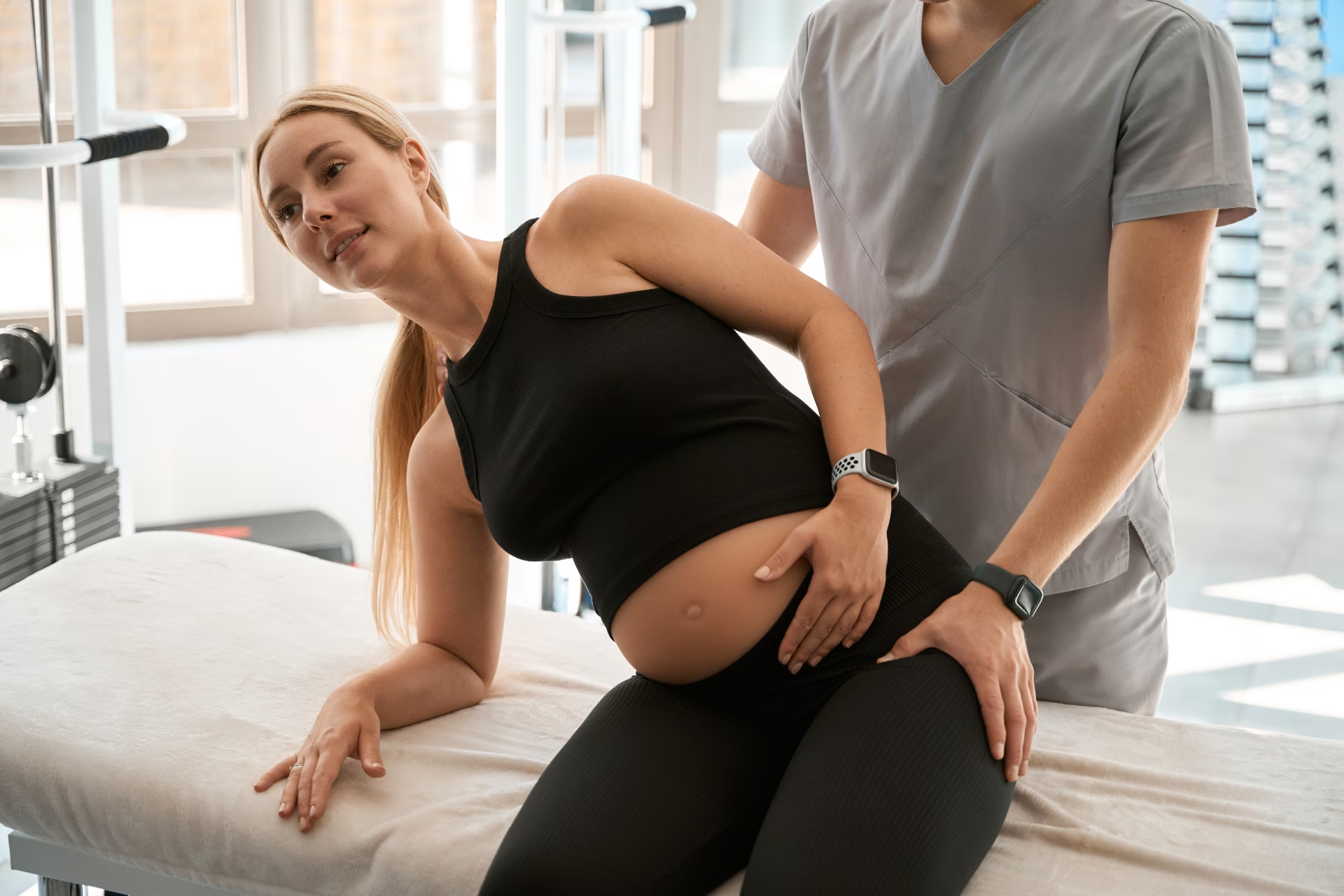
Expert Pregnancy MOT At The White Hart Clinic
Our Pregnancy MOT is a specialist women’s health physiotherapy assessment designed to support your pelvic health, movement and comfort during pregnancy. It can help you manage pregnancy-related aches and pains, stay active and prepare physically for both birth and your recovery afterwards.
We commonly recommend an appointment at around 20 weeks and another at around 35 weeks, although you can see us at any stage of your pregnancy if you are experiencing pain, discomfort or concerns about your pelvic floor.
Every pregnancy and birth is different. Whether you are planning a vaginal or caesarean birth, or your plans need to change, we can provide you with practical advice and exercises based on your body, your pregnancy and what matters to you.
Your Pregnancy MOT may include:
- A discussion about your pregnancy, medical history, activity levels, symptoms and birth preferences
- An assessment of your posture, movement, abdominal muscles and any areas of pain or discomfort
- An assessment of how well you can engage your pelvic-floor muscles
- An internal pelvic-floor examination where this would be helpful and only with your agreement. This will be explained beforehand, and you can decline or stop the examination at any time
- Treatment and advice for pregnancy-related back pain, pelvic pain or pelvic-girdle pain
- Guidance on reducing your risk of bladder or bowel problems during pregnancy and after birth
- Advice about labour positions, breathing and ways to help relax your pelvic floor
- A discussion about how different birth options and medical interventions may affect the pelvic floor
- Advice and instruction on perineal massage, usually during the later stages of pregnancy
- Exercises to support your abdominal muscles as your pregnancy progresses
- Advice on staying active, including what is safe and when exercise may need to be adapted
- Practical guidance for the first few weeks after birth, including managing swelling, using the toilet comfortably, constipation, gentle pelvic-floor exercises and caring for a caesarean or perineal scar
Please note: Pregnancy MOTs are not covered by private medical insurers.


