More Conditions
Total Body Wellness & Recovery
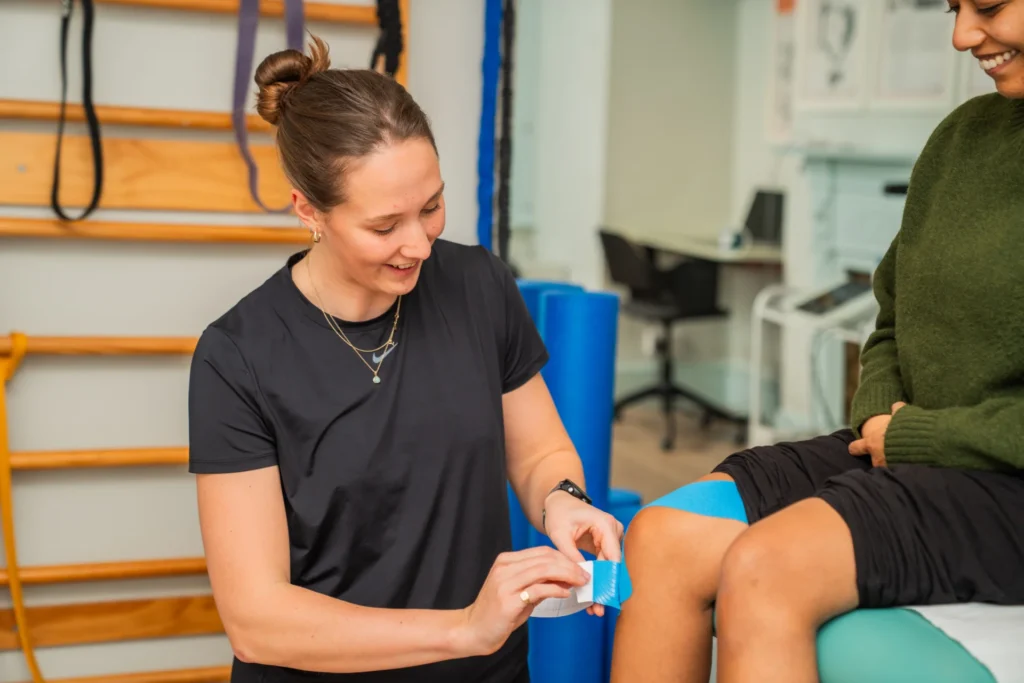
MSK/ Sports Physiotherapy
- Back Pain – Pain or stiffness in the upper, middle, or lower back, caused by muscle strain, posture, joint issues, or injury.
- Neck Pain – Discomfort or tightness in the neck, often linked to poor posture, tension, or whiplash.
- Lumbar Strain – Overstretching or tearing of muscles in the lower back, causing pain and reduced movement.
- Thoracic Pain – Pain in the mid-back, often from posture, muscle tension, or joint restrictions.
- Disc Herniation – When the soft disc between spinal bones bulges, pressing on nerves and causing pain or numbness.
- Facet Joint Pain – Discomfort from irritation in the small joints of the spine.
- Nerve Pain (including sciatica) – Pain, tingling, or numbness along a nerve pathway, usually from the lower back/ neck down the leg/ arm.
- Cervicogenic Headache – Headache that starts in the neck and radiates to the head.
- Migraine – Intense headaches often accompanied by nausea, sensitivity to light, or visual changes.
- Rotator Cuff Strain/ Tear – An injury to one or more of the muscles and tendons that stabilise the shoulder joint, leading to pain, weakness and reduced range of motion.
- Subacromial Impingement – Compression of shoulder structures, causing pain, especially with overhead movements.
- Frozen Shoulder (Adhesive Capsulitis) – Inflammation of the shoulder capsule, causing stiffness, pain and reduced shoulder movement.
- Shoulder Instability – Laxity in the shoulder joint causing repeated dislocations or pain.
- AC Joint Pain – Pain at the top of the shoulder, around the collarbone.
- Tennis
Elbow (Lateral Epicondylitis) – Pain on the outer elbow from overuse of forearm muscles. - Golfer’s Elbow (Medial Epicondylitis) – Pain on the inner elbow from overuse of forearm muscles.
- Carpal Tunnel Syndrome –Compression of the median nerve at the wrist causing tingling, numbness, or weakness.
- De Quervain’s Tenosynovitis – Pain on the thumb side of the wrist due to inflamed tendons.
- Trigger Finger – Painful locking of a finger when bending or straightening.
- Osteoarthritis – Wear and tear of joint cartilage.
- Hip Labral Tear – Injury to cartilage lining the hip socket causing pain and limited movement.
- Gluteal Tendinopathy – Pain in buttocks due to inflammation of gluteal tendons.
- Bursitis – Inflammation of the fluid-filled sac in and around joints, causing localised pain.
- Hip Impingement – Early contact between the hip socket and thigh bone, leading to pain and restricted movement.
- Growth Related Issues – e.g. Osgood Schlatter’s or Sever’s Disease. Common in active children and adolescents.
- Patellofemoral Pain Syndrome – Pain around the kneecap, worsened by activity.
- Meniscus Injury – Tear or irritation of knee cartilage causing pain, swelling, or locking.
- Knee Ligament Injuries – Sprains or tears in knee ligaments causing instability and pain.
- Ankle Sprain – Stretching or tearing of ankle ligaments, causing pain and swelling.
- Achilles Tendonitis – Inflammation of Achilles tendon causing calf tension and pain behind the ankle.
- Plantar Fasciitis – Pain under the heel or arch due to inflammation of plantar fascia.
- Metatarsalgia – Pain in the ball of the foot from pressure or overuse.
- Muscle Strains (e.g hamstring, quadriceps, calf, pectoral) – Overstretching or tearing of muscle fibers causing pain and weakness.
- Postural / Work-Related Pain – Discomfort from prolonged sitting, standing, or repetitive tasks.
- Chronic Pain Syndromes – Long-term pain conditions like fibromyalgia and myofascial pain.
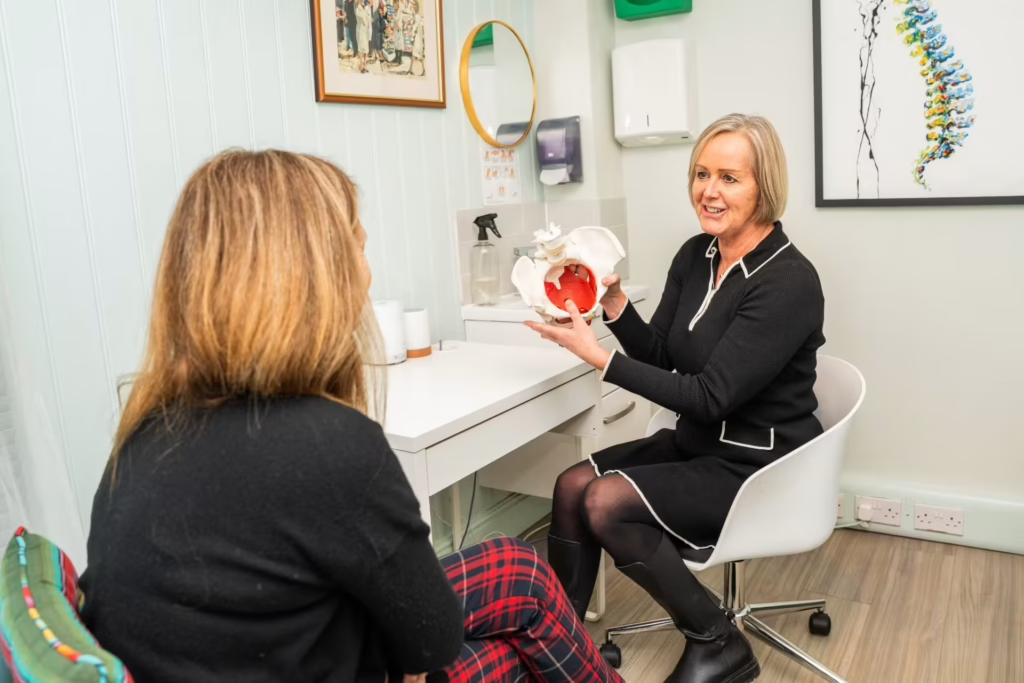
Women’s Health Physiotherapy
- Pelvic Floor Dysfunction – Weak or tight pelvic muscles causing urinary/fecal incontinence, urgency or pelvic heaviness.
- Stress Urinary Incontinence – Leakage when coughing, sneezing or exercising.
- Urge Incontinence – Sudden, intense urge to urinate with possible leakage.
- Mixed Incontinence – Combination of stress and urge incontinence.
- Pelvic Organ Prolapse – Dropping of bladder, uterus or bowel causing a sensation of heaviness or pressure.
- Cystocele (Bladder Prolapse) – Bladder descends into the vaginal wall.
- Rectocele (Rectal Prolapse) – Part of the rectum bulges into the vaginal wall.
- Uterine Prolapse – Uterus descends into the vagina causing pressure and discomfort.
- Pregnancy-Related Pain – Lower back, pelvic, hip or sacroiliac pain during pregnancy.
- Pubic Symphysis Pain – Pain at the front of the pelvis from joint separation or movement.
- Postpartum Recovery – Rebuilding core and pelvic floor strength after birth.
- Diastasis Recti – Separation of abdominal muscles, usually post-pregnancy, causing a visible bulge and weakness.
- Postpartum Back Pain – Muscular or postural discomfort after childbirth.
- Chronic Pelvic Pain – Ongoing pain in the pelvic region without infection or other clear cause.
- Endometriosis-Related Pain – Pain from tissue growth outside the uterus.
- Vestibulodynia – Pain at the entrance of the vagina, often affecting sexual activity.
- Dyspareunia – Pain during sexual activity.
- Pelvic Pain During Exercise – Pain in the pelvis triggered by movement or activity.
- Post-Surgical Recovery – Pelvic or abdominal surgery rehabilitation including C-section or gynecological procedures.
Men’s Health Conditions
- Pelvic Floor Dysfunction – Weak or tight pelvic muscles causing urinary or bowel symptoms, urgency or pelvic discomfort
- Stress Urinary Incontinence – Leakage when coughing, sneezing or exercising
- Urge Incontinence – Sudden, intense urge to urinate with possible leakage
- Mixed Incontinence – Combination of stress and urge incontinence
- Post-Prostate Surgery Incontinence – Urinary leakage following prostate surgery (e.g. prostatectomy)
- Overactive Bladder – Frequent urination, urgency and night-time waking
- Chronic Pelvic Pain – Ongoing pain in the pelvic region without infection or other clear cause
- Erectile Dysfunction – Difficulty achieving or maintaining an erection, sometimes linked to pelvic floor dysfunction
- Premature Ejaculation – Reduced control over ejaculation, which can be influenced by pelvic floor function
- Pain with Ejaculation – Discomfort or pain during or after ejaculation
- Dyspareunia – Pain during sexual activity
- Pelvic Pain During Exercise – Pain in the pelvic region triggered by movement or activity
- Post-Surgical Recovery – Rehabilitation following pelvic or abdominal surgery, including prostate or hernia procedures
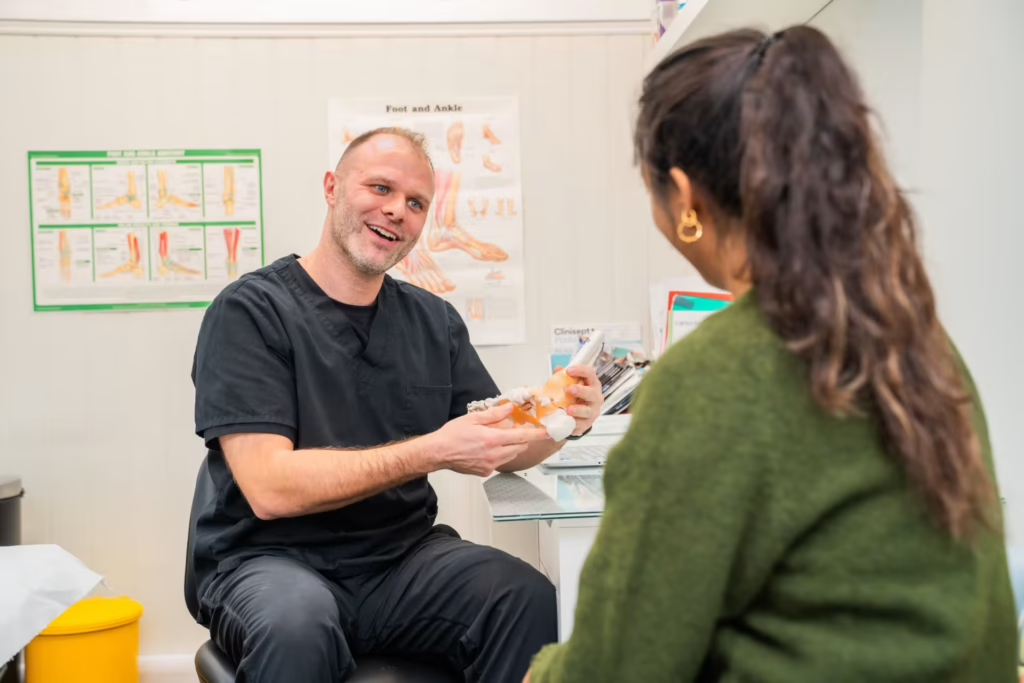
Podiatry
- Plantar Fasciitis – Inflammation of the tissue along the bottom of the foot causing heel or arch pain.
- Calcaneal Spur – Bony growth on the heel causing pain, often with plantar fasciitis.
- Sever’s Disease – Heel pain in growing children due to inflammation at the growth plate.
- Heel Bursitis – Inflammation of the fluid-filled sac at the back of the heel.
- Ankle Sprain – Stretching or tearing of ankle ligaments.
- Achilles Tendonitis – Inflammation of Achilles tendon causing pain at the back of the ankle.
- Peroneal Tendonitis – Inflammation of tendons on the outside of the ankle causing pain and instability.
- Hammertoes & Claw Toes – Abnormal toe positions causing rubbing and discomfort.
- Bunions (Hallux Valgus) – Swelling and misalignment of the big toe joint.
- Hammertoe – Toe bent downward at the middle joint causing discomfort.
- Metatarsalgia – Pain in the ball of the foot due to pressure or overuse.
- Morton’s Neuroma – Thickened nerve tissue between toes causing sharp or burning pain.
- Ingrown Toenails – Toenail grows into the skin causing pain, swelling or infection.
- Fungal Nails (Onychomycosis) – Thickened, discolored or brittle nails caused by fungal infection.
- Corns & Calluses – Thickened skin from pressure or friction causing discomfort.
- Verrucas/Plantar Warts – Viral growths on the sole of the foot causing pain or tenderness.
- Flat Feet / Pes Planus – Fallen arches causing fatigue, pain or altered gait.
- High Arches / Pes Cavus – Elevated arches leading to reduced shock absorption, foot pain and altered gait.
- Gait Abnormalities – Walking patterns causing pain or imbalance.
Cranial Osteopathy
- Colic – Excessive crying and discomfort in infants without an apparent cause.
- Feeding Difficulties – Trouble latching, sucking or swallowing in infants.
- Sleep Difficulties – Problems settling or staying asleep.
- Torticollis – Tight neck muscles causing head tilt in infants.
- Plagiocephaly (Flat Head Syndrome) – Flattening of one side of an infant’s head.
- Developmental Delays – Slower achievement of motor milestones or coordination.
- Muscle Tone Disorders – Low (hypotonia) or high (hypertonia) muscle tension affecting movement.
- Gait Abnormalities – Irregular walking or running patterns in children.
- Cranial Tension – Restricted movement in the skull bones or soft tissues, potentially causing discomfort or feeding issues.
- Jaw / TMJ Tension – Tight jaw muscles affecting feeding or posture.
Counselling & Psychotherapy
- Anxiety – Excessive worry, panic attacks or persistent nervousness.
- Generalised Anxiety Disorder – Ongoing, widespread anxiety affecting daily life.
- Panic Attacks – Sudden episodes of intense fear with physical symptoms like racing heart or shortness of breath.
- Social Anxiety – Fear or avoidance of social situations.
- Depression – Persistent low mood, loss of interest or lack of energy.
- Postnatal Depression – Low mood or anxiety after childbirth.
- Trauma & PTSD – Emotional and physical reactions to past traumatic events.
- Grief & Loss – Coping with bereavement or major life changes.
- Relationship & Family Issues – Couples conflict, parenting stress or family communication difficulties.
- Self-Esteem & Confidence Issues – Low confidence, poor self-image or difficulty asserting oneself.
- Workplace / Study Pressure – Stress or burnout from career, exams or studies.
Acupuncture
- Muscle & Joint Pain – Relief for back, neck, shoulder, hip, knee or ankle pain.
- Sports Injuries – Treatment for strains, sprains or overuse injuries.
- Headaches & Migraines – Tension, cervicogenic or migraine headaches.
- Post-Surgical Pain – Pain management after surgery.
- Stress & Fatigue – To promote relaxation, energy and overall wellbeing.
- Digestive Issues – Including IBS and bloating.
- Gynaecological Issues – including menstrual-related cramps and fertility.
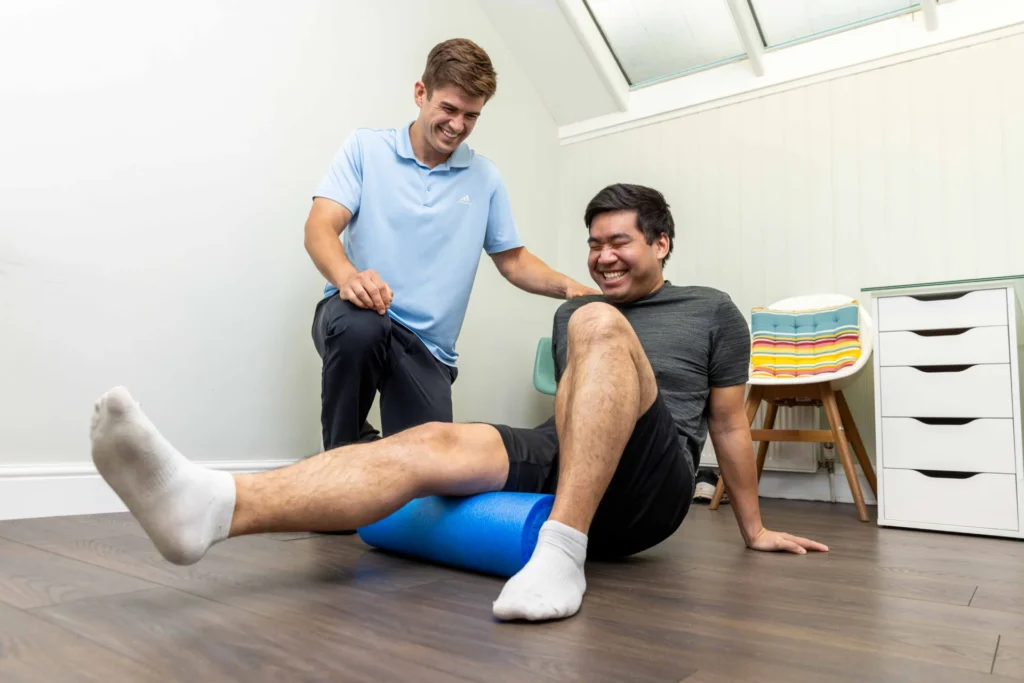
Massage Therapy
- Muscle Tension & Stiffness – Tight or sore muscles in the back, neck, shoulders or legs.
- Postural Strain – Discomfort caused by prolonged sitting, standing or repetitive tasks.
- Sports Recovery & Performance – Muscle preparation, recovery and injury prevention.
- Chronic Pain Support – Relief for conditions such as fibromyalgia.
- Circulation & Mobility Support – Improves blood flow, reduces swelling and aids movement.
- Relaxation & Stress Relief – Reduces tension and promotes mental and physical relaxation.