Vaginismus can be treated
Vaginismus is when the muscles around the vagina tighten on their own whenever something is about to go in, such as a penis, tampon, finger or speculum. It can be painful and upsetting, but it can be treated, and pelvic health physiotherapy is an important part of the solution.
What is vaginismus?
Vaginismus is the body’s automatic reaction to the fear of some or all types of vaginal penetration. When penetration is attempted, the vaginal muscles tighten without you choosing to, and you can’t control it.
Some women have had vaginismus for as long as they can remember. Others develop it later, even after years of comfortable, painless sex. Vaginismus doesn’t necessarily stop you becoming aroused or enjoying other kinds of sexual contact.
As a pelvic health physiotherapist, it breaks my heart that so many women living with long-standing pelvic pain or vaginismus don’t know where to turn for help.
These conditions can have a huge impact on your quality of life. They can affect your sex life and your relationships, your bladder, everyday things like using tampons or having a smear test, and simply coping with the pain day to day. Many women have been told it’s “all in their head”, or have struggled on alone for years.
The pelvic floor muscles are often an important part of the puzzle. When they’re tight and overactive, they can keep the cycle of pain going. With the right support, they can learn to release and be responsive again.
Please don’t give up. There are answers, and there are treatments that work.
Christien Bird, Pelvic Health Physiotherapist, HCPC (Reg No. PH37169)
How physiotherapy helps
Your physiotherapist will create a treatment plan for you. Physiotherapy helps the pelvic floor muscles relax and work normally again. Muscles that have become tight and overactive are gently stretched and taught to relax, which eases the pain and cramping that excessive tightening causes.
Your treatment may include:
- Understanding your body. Learning how your pelvic floor works and why it tightens, which often makes symptoms feel less frightening.
- Breathing and relaxation. Simple techniques to help you notice when your pelvic floor is tightening and to let it go.
- Pelvic floor exercises. These focus on relaxing the muscles rather than strengthening them, so you can feel the difference between tensing and letting go.
- Hands-on treatment. Gentle massage and stretching of tight muscles, inside or outside the vagina, only if you want it.
- Vaginal trainers (dilators). Smooth, tampon-shaped trainers in gradually increasing sizes, used at home in your own time. You’ll be shown how to use them and you’re always in control.
- A home programme. Exercises and steps to practise between appointments, which are key to making progress.
What to expect at your first appointment
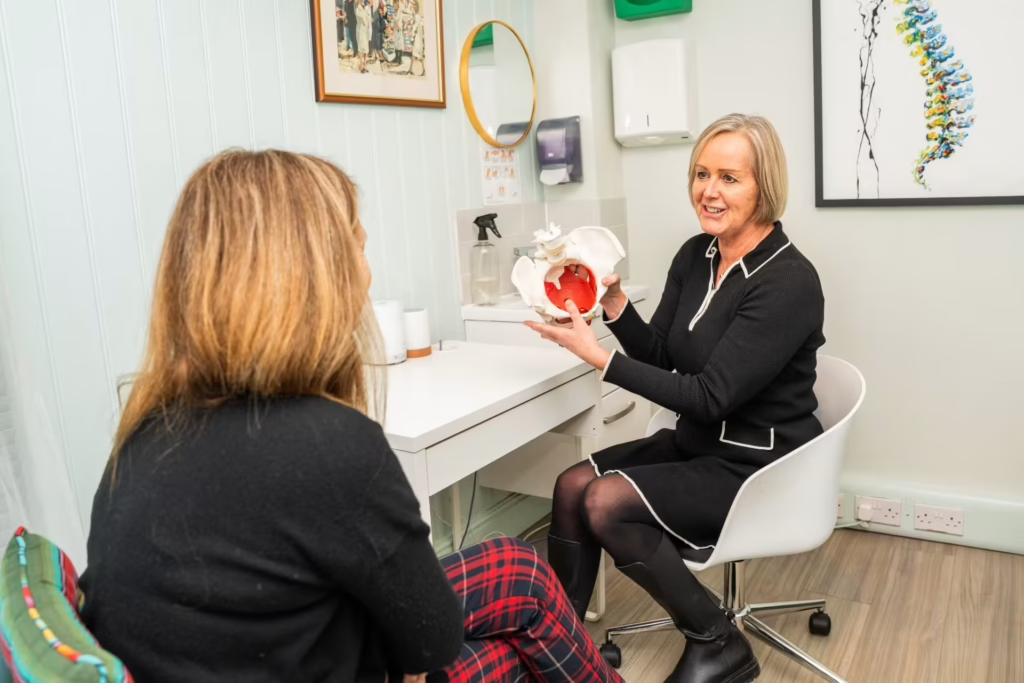
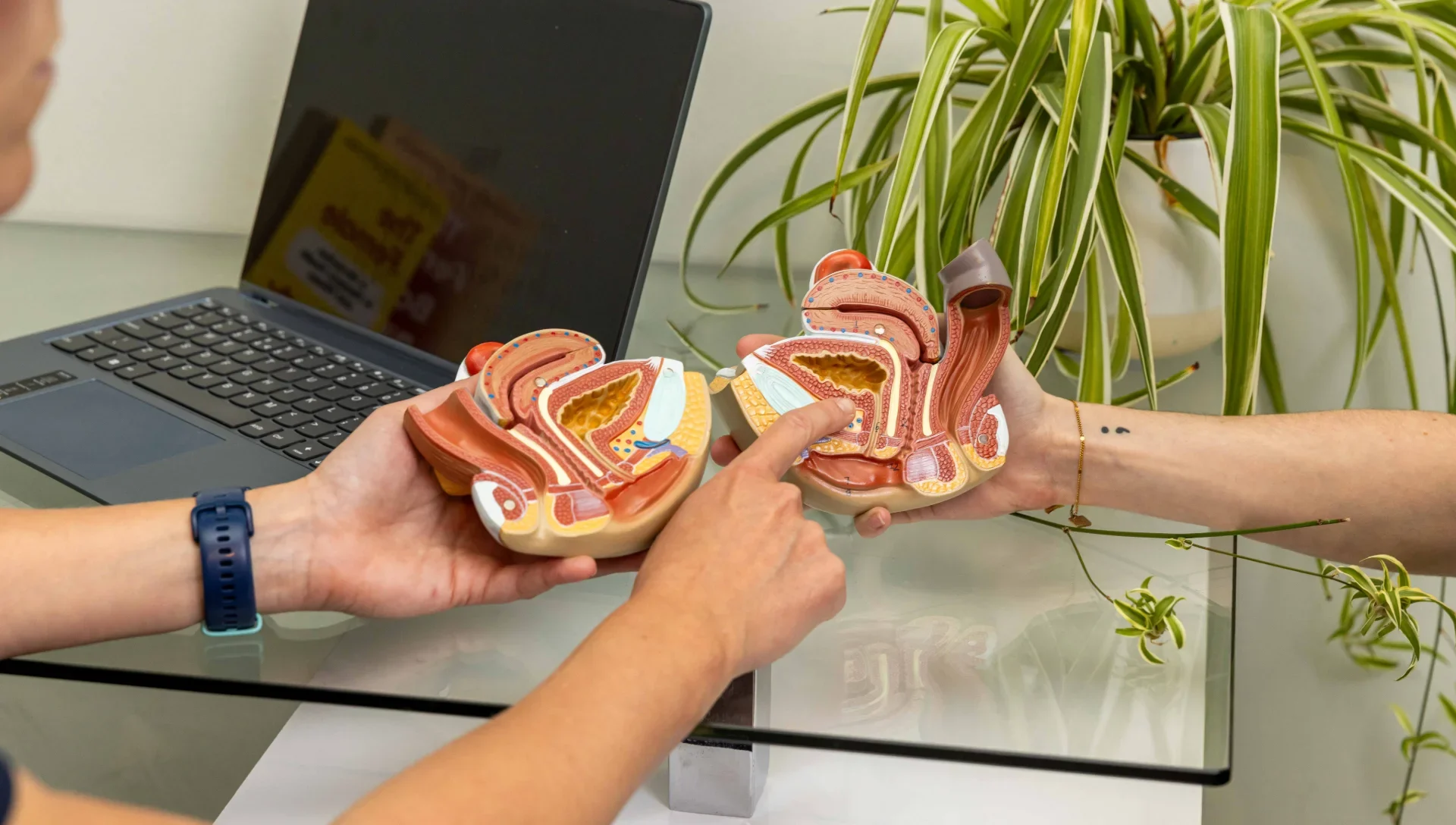
Your first appointment lasts one hour and is mainly a conversation. Your physiotherapist will ask about your symptoms, your general health and what you’d like to be able to do, such as using tampons, having a smear test or having comfortable sex. They’ll explain how the pelvic floor works and how physiotherapy can help.
You stay in control throughout. An internal examination isn’t needed at your first visit, and nothing is done unless you’re comfortable and agree to it. You can stop at any time. Many women don’t have an examination until they feel ready, and that’s completely fine. We can also start with an assessment from the outside.
You’re welcome to bring someone with you for support.
You’ll leave with an understanding of what’s going on, treatment if you’re ready for it, and a plan with some first steps to start at home.